Leaf Architects
An Award-Winning Practice
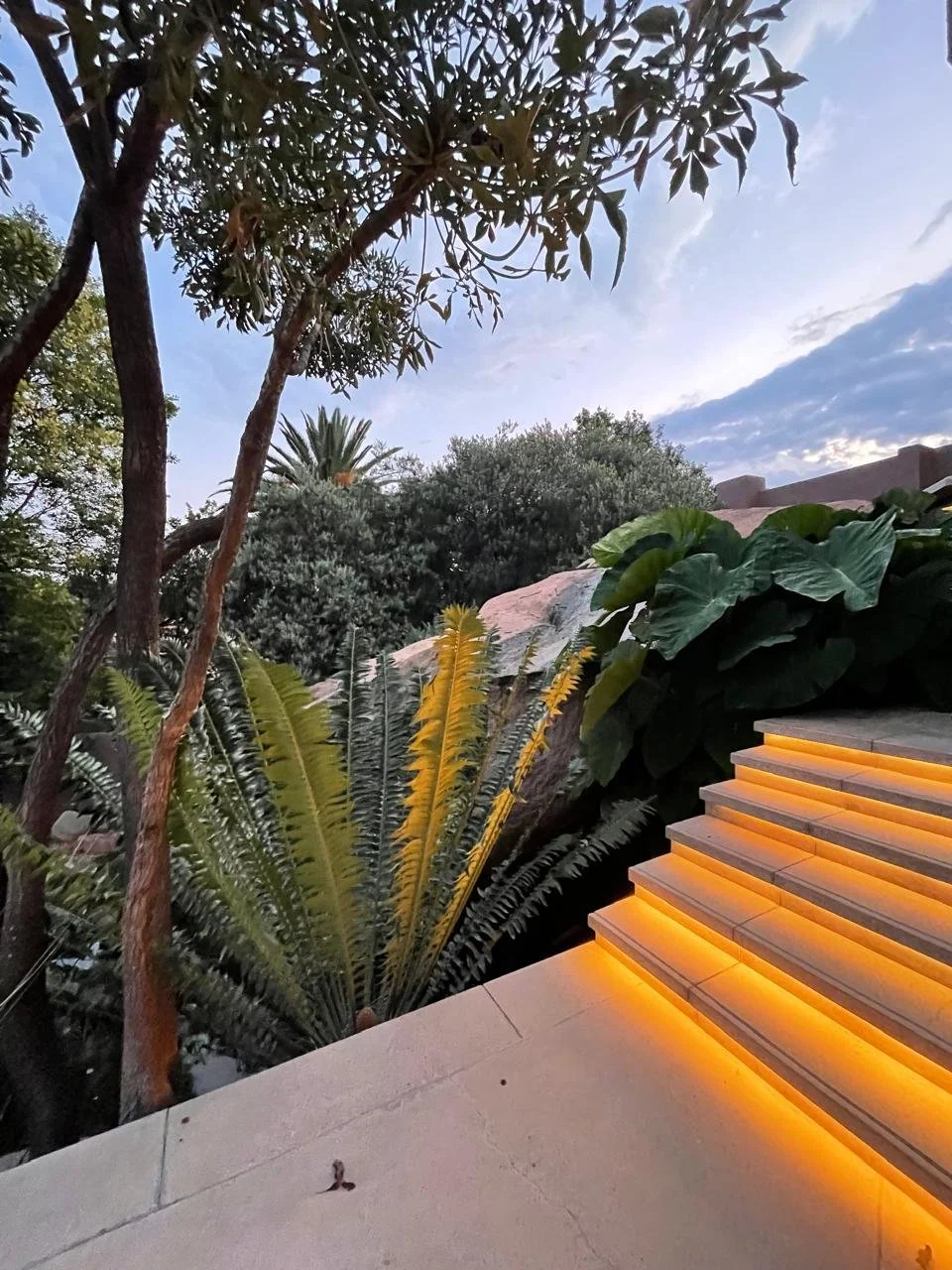
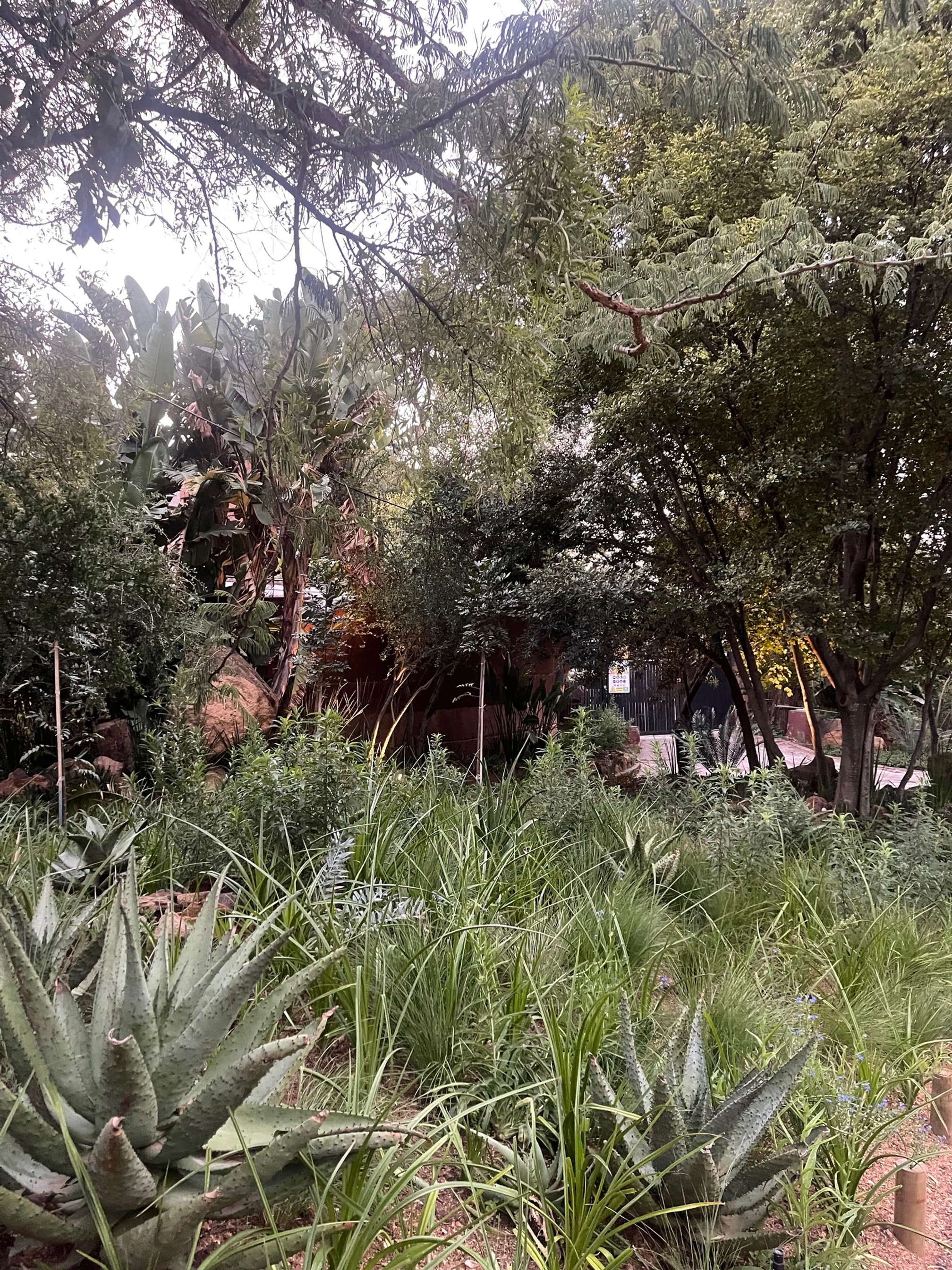
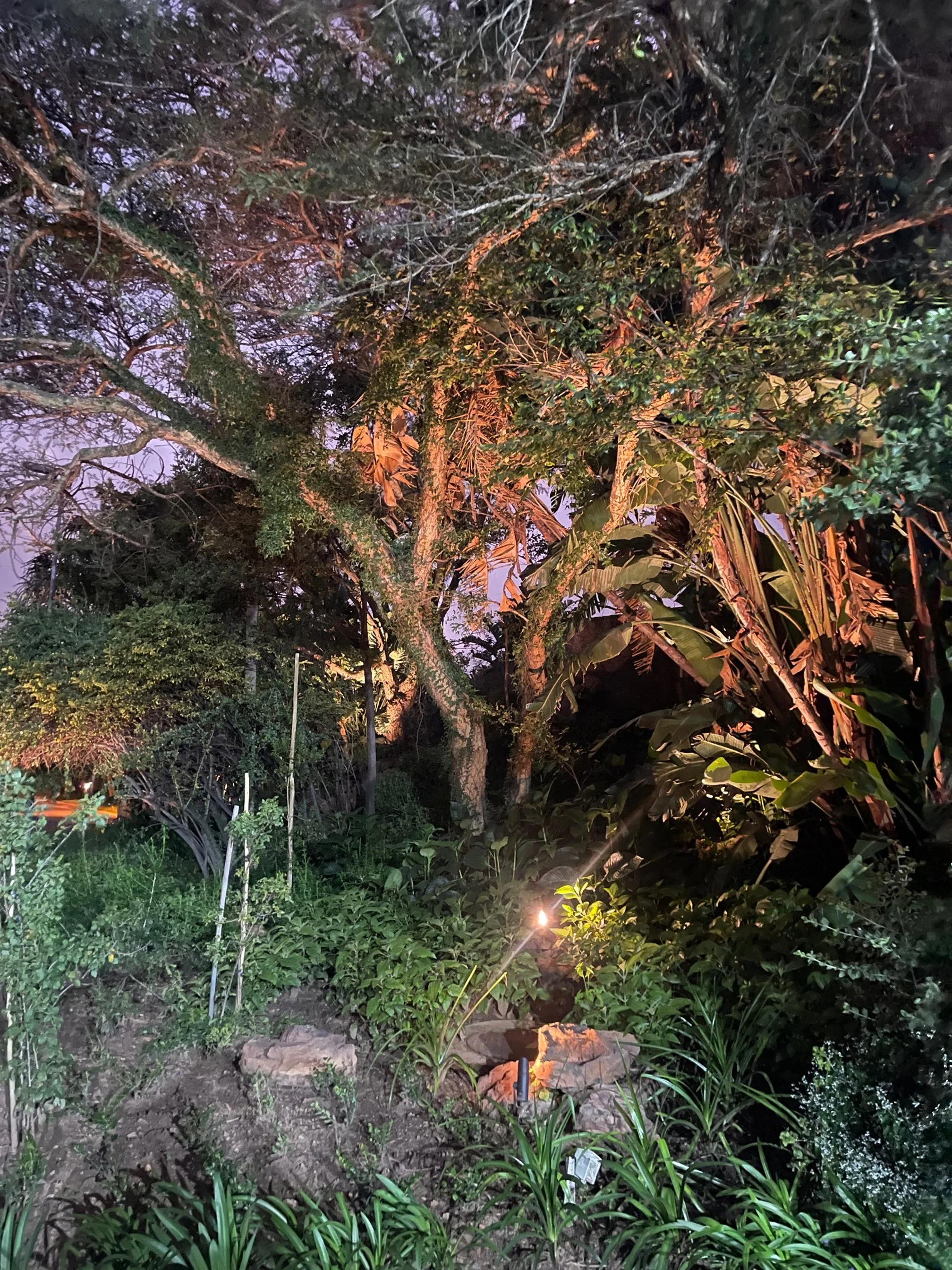
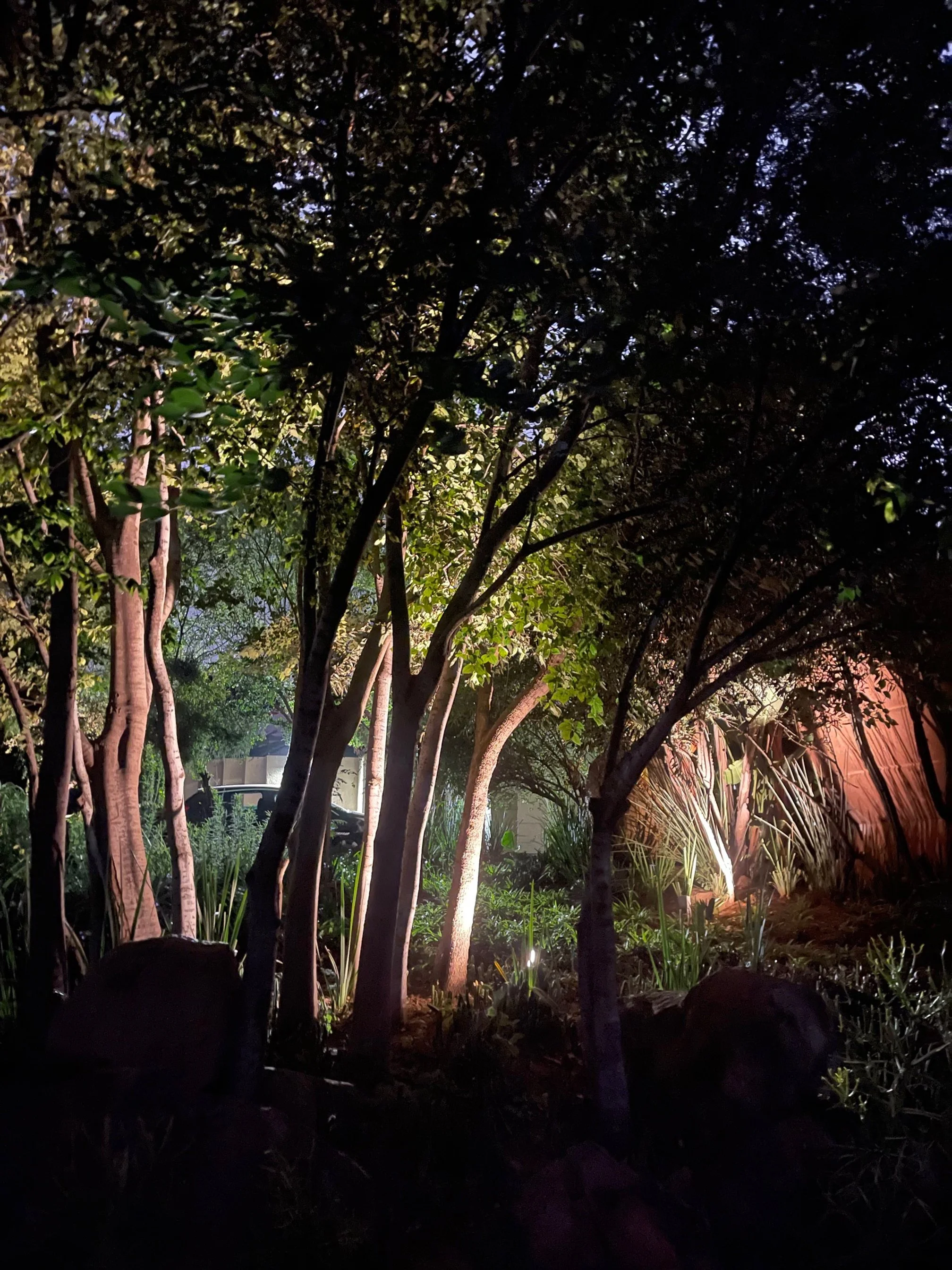
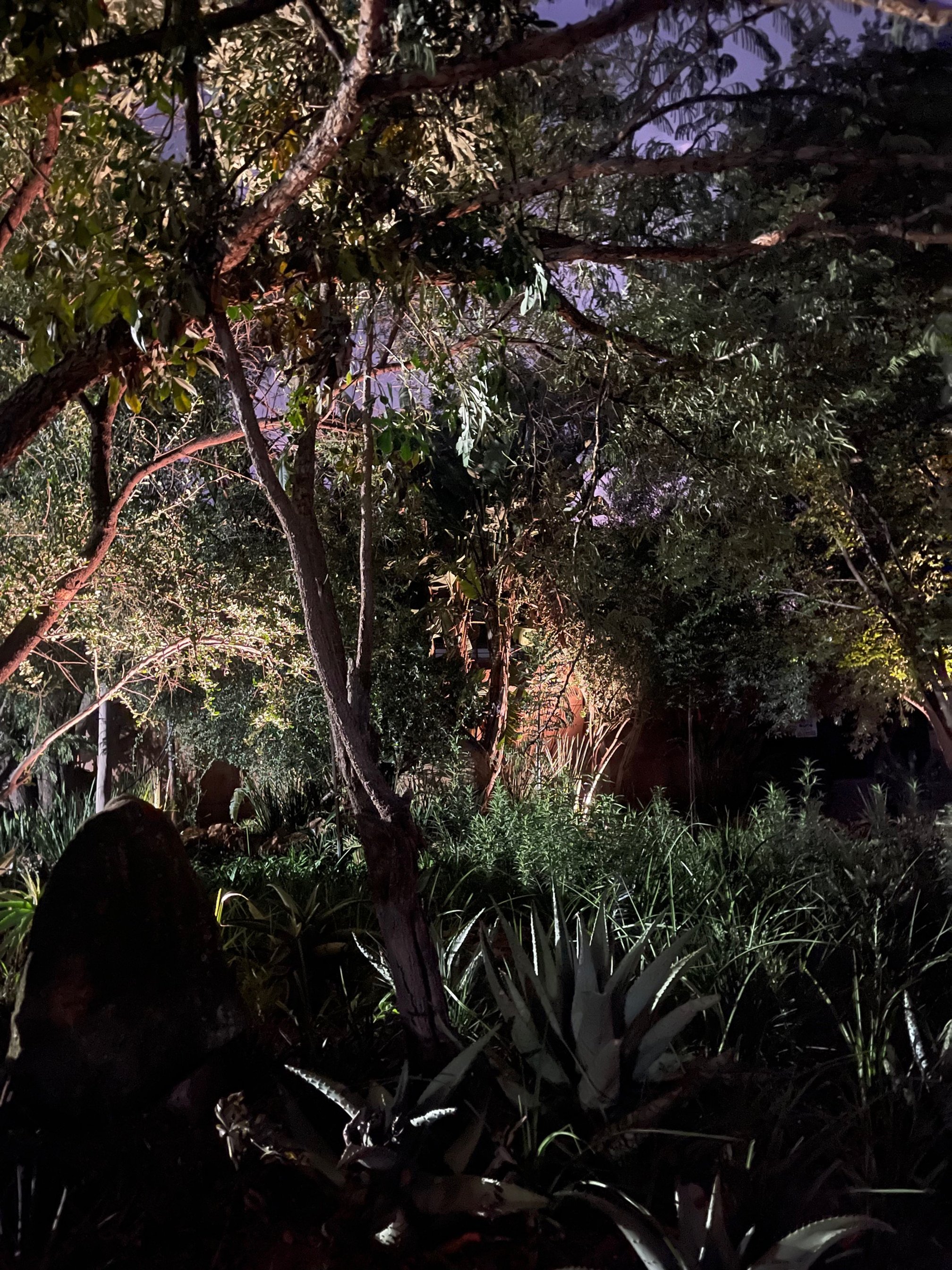
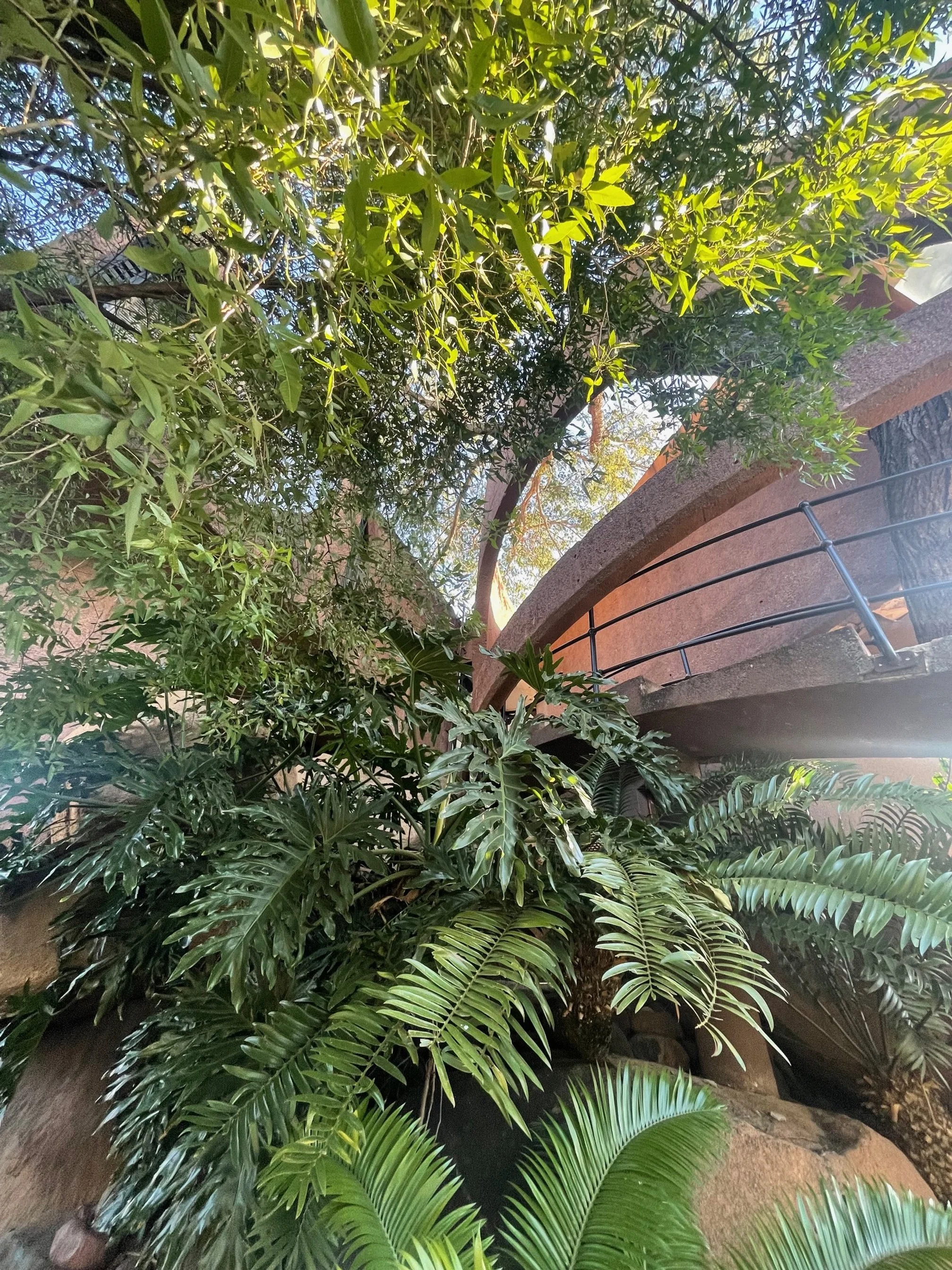
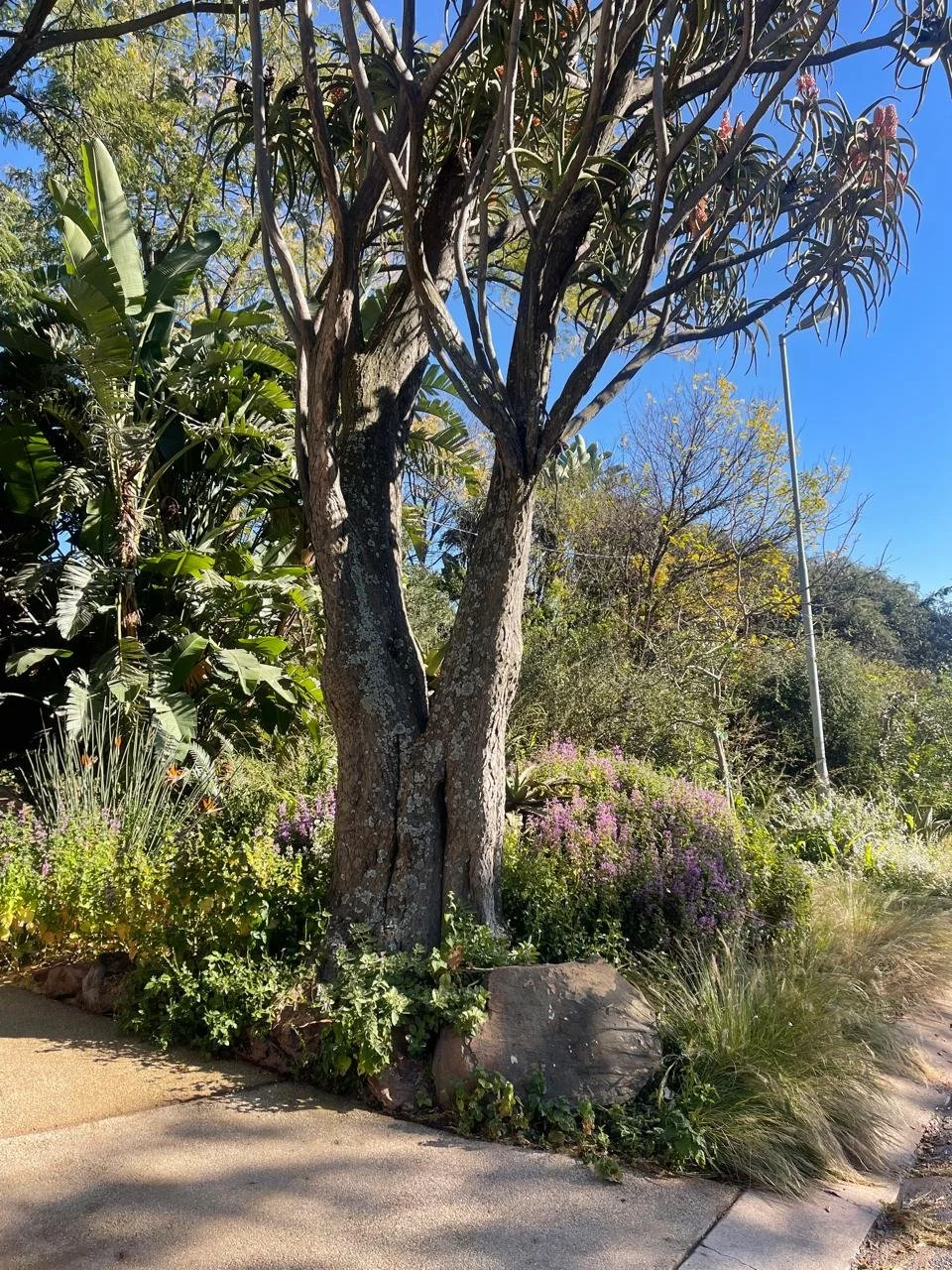
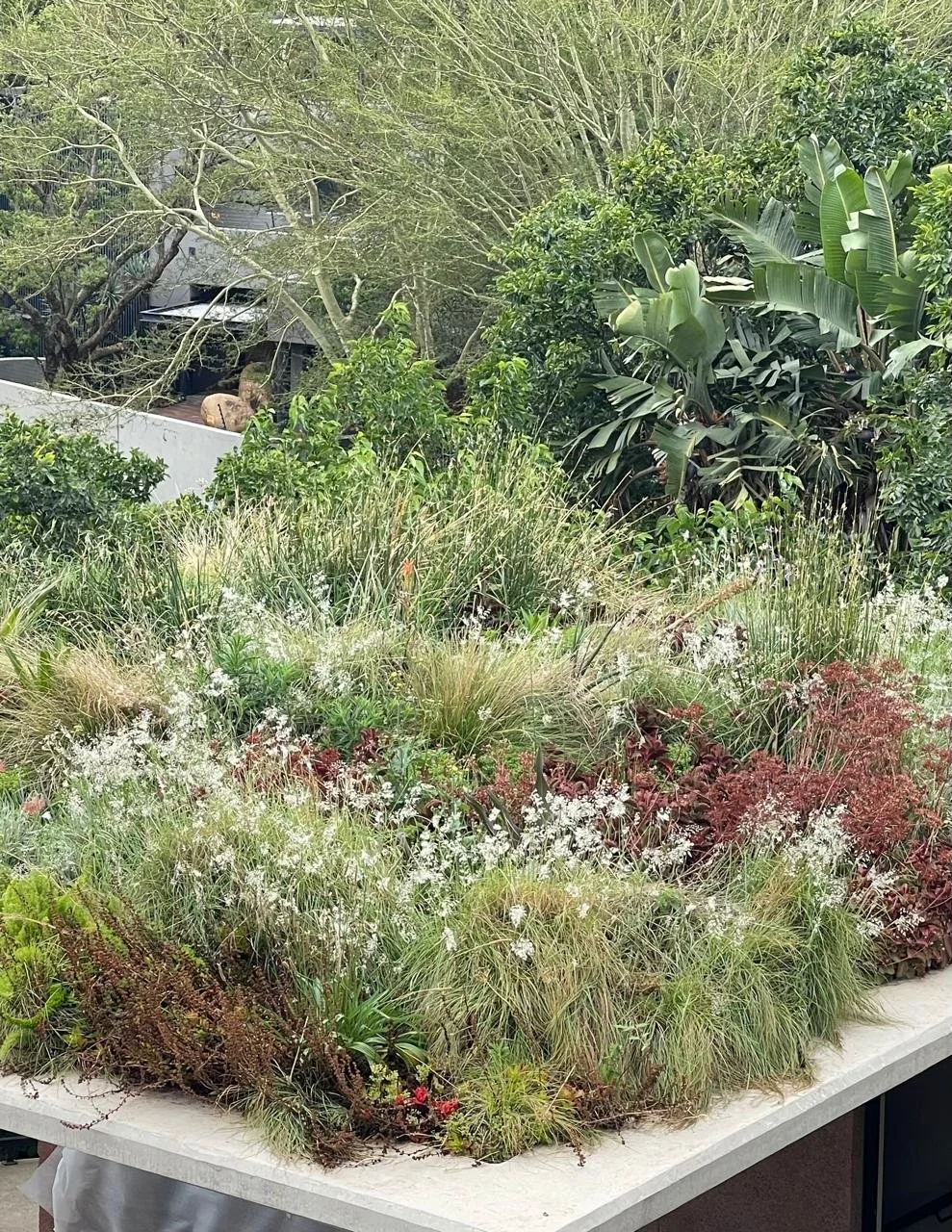
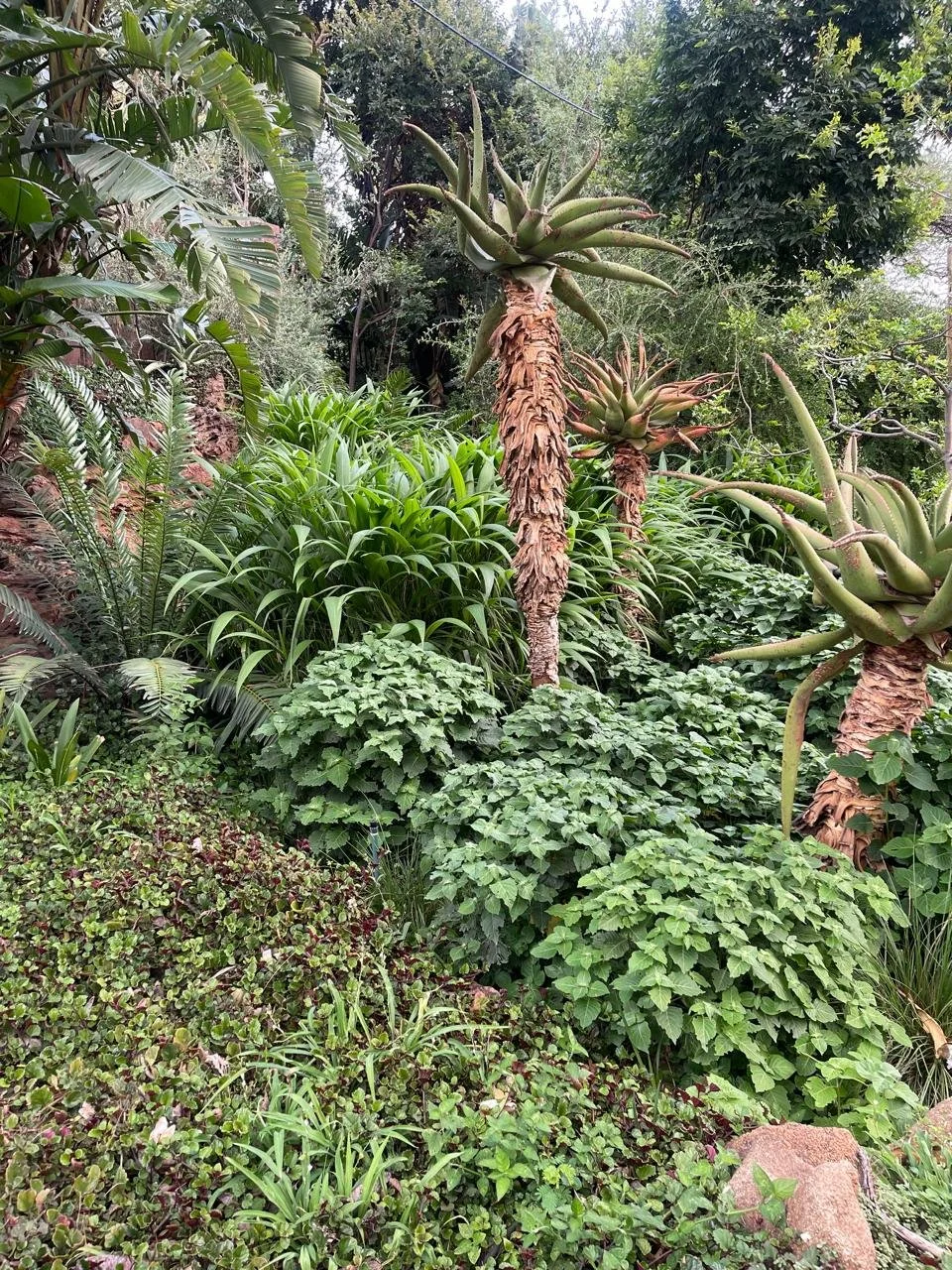
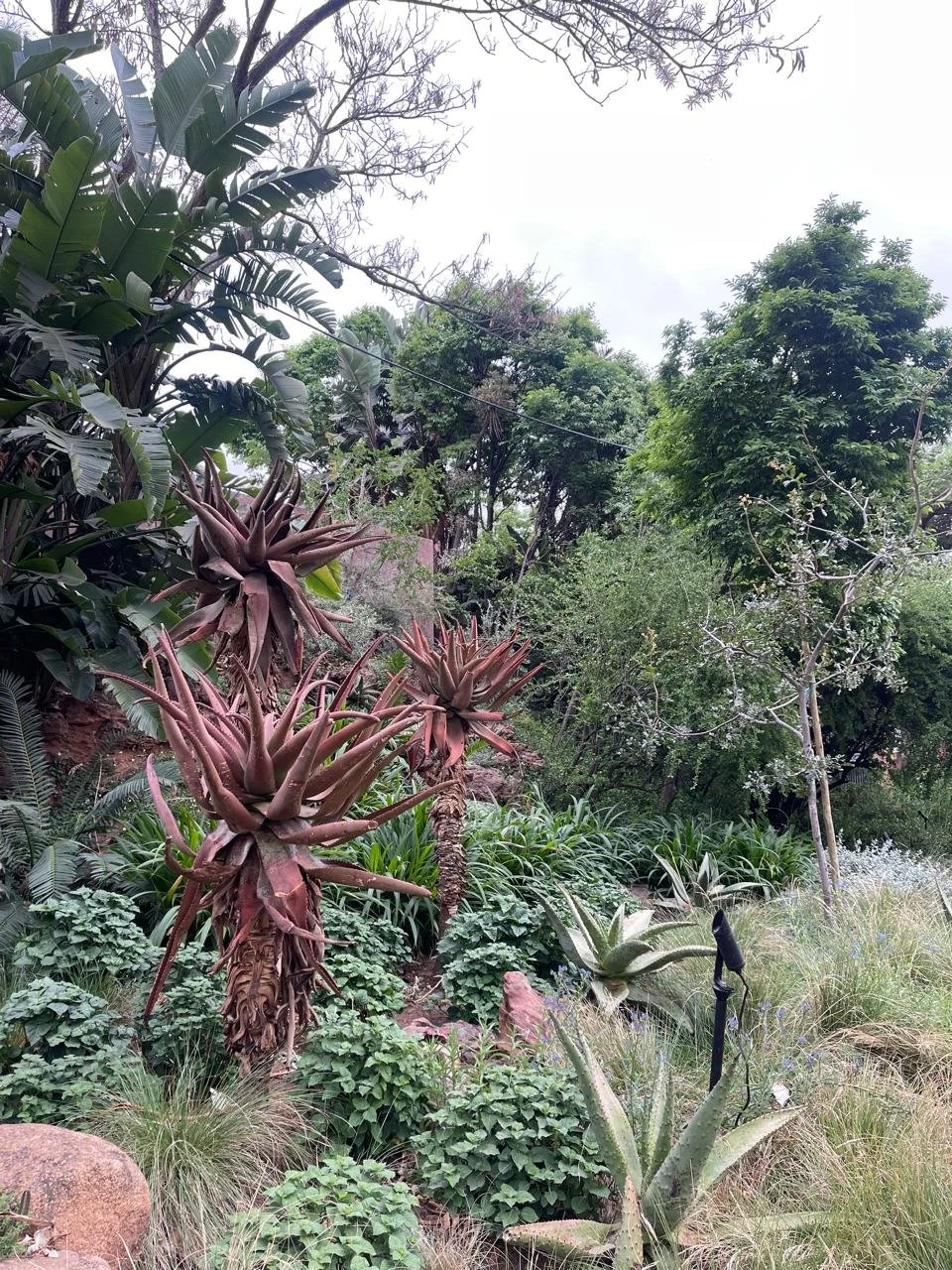
A Landscape of Meaning: Reconnecting Place, Spirit, and Ecology
In the quiet rhythm of indigenous landscapes, the sacred and nature are not separate—they are entwined. Ethnobotanical landscaping, rooted in traditional ecological knowledge, offers more than aesthetic restoration; it is a profound act of healing, reconnection, and reverence. By restoring indigenous ecologies, we do not merely replant flora—we reawaken relationships between people, place, and spirit.
At its heart, ethnobotany is the study of how cultures interact with plants: for medicine, sustenance, ritual, and storytelling. When applied to landscape design, it becomes a tool for cultural and ecological restoration. It invites us to ask: What plants once thrived here? What stories did they carry? What relationships did they nurture? In answering these questions, we begin to restore not only biodiversity but memory.
Reintroducing indigenous plant species revives ecological balance. Indigenous plants attract pollinators, stabilize soil, and support the return of birds, insects, and small mammals that once called the site home. But beyond ecological function, these plants carry ancestral significance. They are living archives of ceremony, healing, and identity. Their presence transforms the landscape into a place of remembrance and belonging.
This reconnection with Place is not merely physical—it is spiritual. As the land heals, so do we. The wholeness of an indigenous ecology instils feelings of gratitude, protection, and tranquillity. These are not incidental emotions; they are the very qualities people associate with sacredness. A landscape that honours its past becomes a sanctuary in the present—a space where memory and meaning converge.
Ethnobotanical landscaping also challenges the norms of landscape architectural practice. It is about rehabilitation rather than to impose and where design becomes dialogue. The land is not a blank canvas—it is a living partner. In this way, the process itself becomes sacred.
In restoring indigenous ecologies, we do not seek to recreate a static past. Instead, we cultivate a dynamic harmony between past and present. The sacred is not locked in history—it is alive in the soil, the seeds, the stories. Ethnobotanical landscapes become bridges: between generations, between species, between the visible and the invisible.
Ultimately, this approach to landscaping is an invitation—to remember, to protect, to participate. It is a call to design with reverence, to see the land not as property but as kin. In doing so, we create spaces that are not only biodiverse but spiritually resonant. Spaces where people feel held, inspired, and connected.
In a world increasingly fragmented, ethnobotanical landscaping offers a path toward wholeness. It reminds us that the sacred and nature go together—and that healing the land is inseparable from healing ourselves.